Arrive the way the building expects
Depots sit beside railways, so most are reachable by train or tram. The Camden Roundhouse is a short walk from Chalk Farm station on the Northern line. Utrecht's Spoorwegmuseum has its own Maliebaan stop on certain services. Toronto's Roundhouse Park sits beside Union Station's approach tracks. Arriving by rail is not just convenient; it lets you see the line the shed once served.
Booking
Depot venues often double as event spaces. A concert, wedding or trade fair can take over the hall on a given night. Check the venue calendar, not just the restaurant's booking page, and book directly where possible. If the hall offers both a bar and a restaurant, ask which one sits under the main span; it is not always the dining room.
Choosing a table
- Stall bays in a roundhouse are quieter and more private.
- Centre tables give the best view of the roof and turntable area but are noisier.
- Near the kitchen suits diners who like watching fire and service.
- By original windows gives the best light for photographs before sunset.
Timing
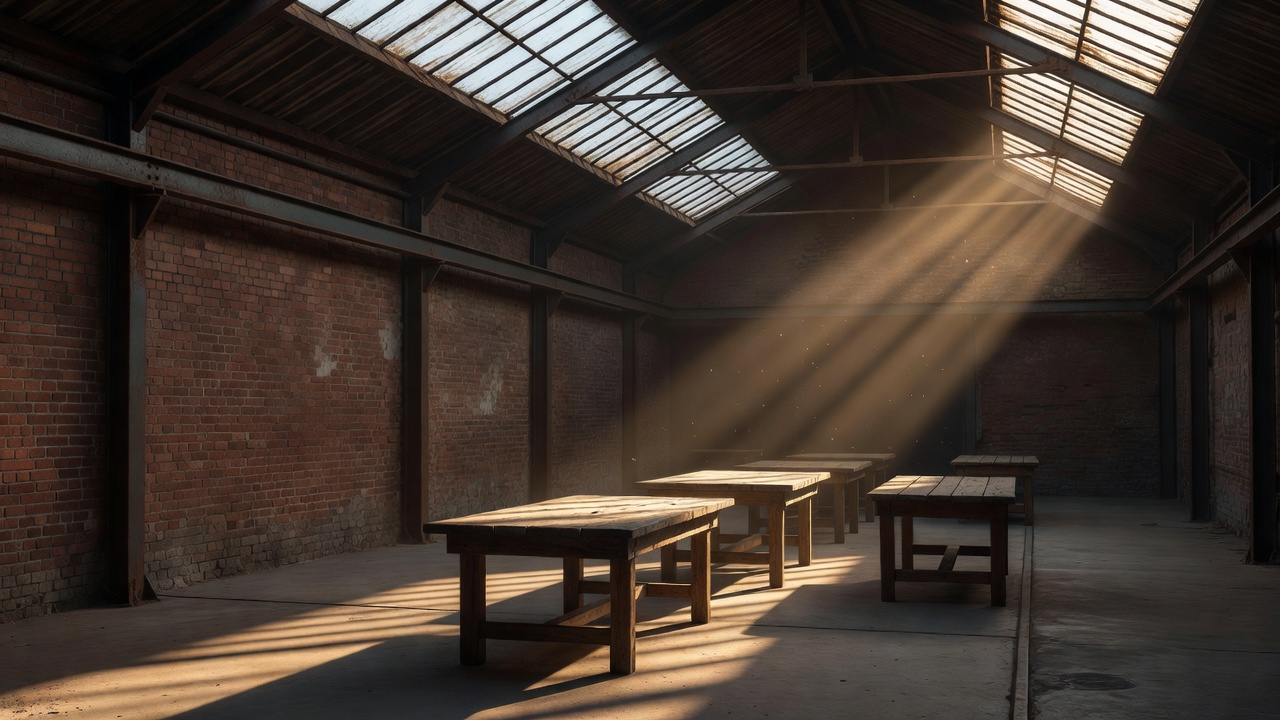
Roof-lit halls change hour by hour. Lunch shows the structure clearly under overhead daylight. The hour before sunset brings low warm light through side windows. After dark, look for how the lighting designer handles the trusses; good schemes light the roof gently so the span still reads.
Accessibility and comfort
Old sheds were built at rail level, and floors may have rails, pit edges and level changes. Most restorations add ramps and lifts, but uneven surfaces can remain. Ask about step-free routes when booking. Bring a layer even in summer: big volumes cool quickly at night, and heating is often zonal.
What to look at
A short checklist for the walk to your table:
- Columns: foundry names, dates or numbered stall markers.
- Roof: smoke troughs, lantern vents, travelling crane rails.
- Floor: rails, pit edges, drain covers, the line of the old turntable.
- Walls: soot shadows, patched openings, painted signage.
- Outside: water towers, coaling stages or signal posts nearby.
Making a day of it
Pair a meal with a heritage visit. In England, Barrow Hill Roundhouse holds open days with working engines. In Berlin, the Deutsches Technikmuseum fills former roundhouses with locomotives. In North Carolina, the Spencer Shops roundhouse at the North Carolina Transportation Museum is a vast working-era survivor. In Helsinki, the Konepaja area lets you walk between workshop halls and eat in the district.
Etiquette
Preserved fittings are often unguarded. Don't climb on turntables or step into marked pits. Ask before photographing staff in open kitchens. And tip as local custom suggests; heritage venues run on tight margins.
Questions left? Line Queries →