The room sets the menu
A shed is loud, high and long. Delicate tasting menus served in hushed rooms rarely suit it. What does work is food with presence: grills and wood ovens visible from the floor, shared plates for long tables, and kitchens that perform in the open as the old fitting shop once did. The building rewards the honest and the generous.
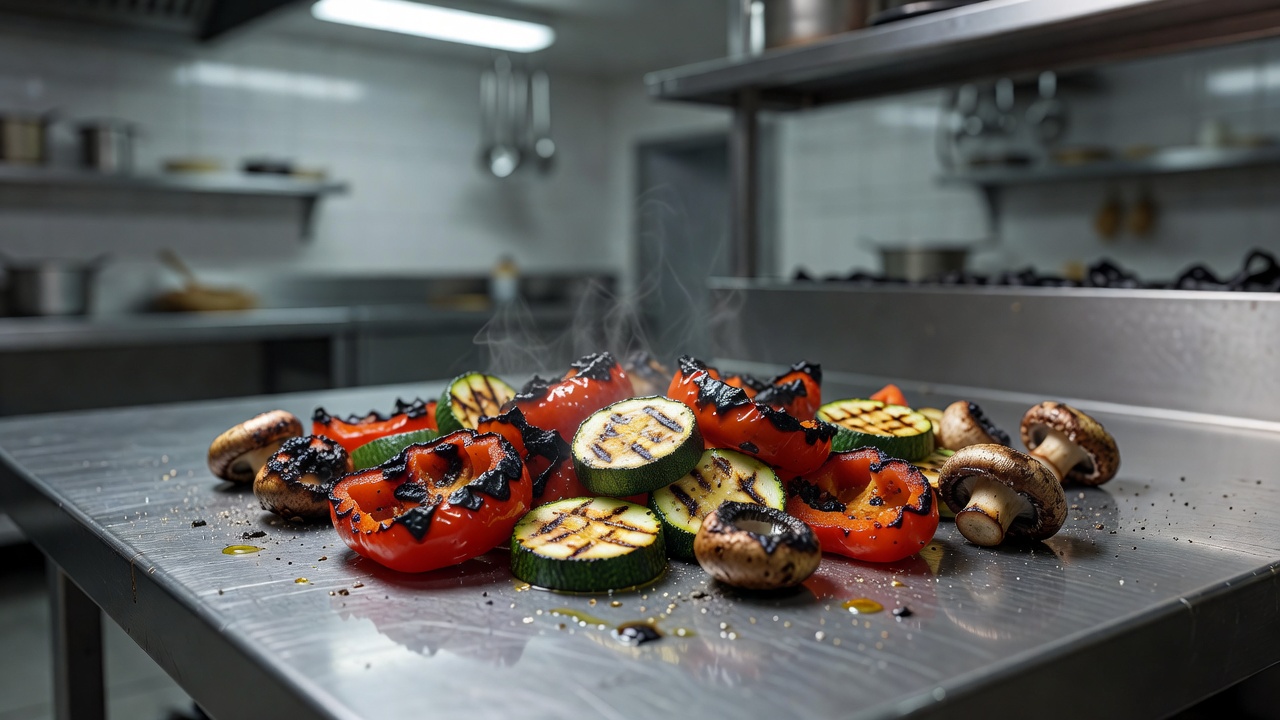
There is also a practical reason. Large covers and event bookings are common in depot venues, so menus lean towards dishes that hold quality at volume: braises, roasts, breads, grains, seasonal vegetables cooked over fire.
Four dining models found in sheds
The food hall
Long straight sheds with several roads lend themselves to stalls. De Hallen in Amsterdam, a former tram depot, runs its Foodhallen as a set of independent counters with shared seating under the steel roof. The plan echoes the original: parallel roads, each with its own work going on.
The brewery taproom
Brewing equipment fits a shed naturally: heavy floors, high roofs, drainage. Toronto's John Street Roundhouse is the well-known example, with Steam Whistle Brewing occupying stalls since 2000. In Aurora, Illinois, an 1850s limestone roundhouse once housed a brewery-restaurant under former footballer Walter Payton's name, a sign of how early the idea took hold in North America.
The museum restaurant
Rail museums frequently put dining among the exhibits. At the Spoorwegmuseum in Utrecht, visitors eat near preserved rolling stock. Expect simpler menus, family pricing and the best engine-watching per euro.
The destination dining room
Smaller sheds and workshop bays can host a single chef-led restaurant. These are often the most rewarding visits: one kitchen, a menu built around local produce and a room that has been treated with real care.
Serving in an industrial space
Expect steel, oak and enamel rather than linen. Steel tables recall workbenches. Enamel and heavy stoneware survive busy service. Many kitchens borrow from railway catering history too: dining-car silverware, timetable-style menus, set "express" lunches for quick service. Done lightly, it is charming. Done heavily, it becomes a theme park; good venues know the difference.
Regional character
The best depot menus speak for their region rather than for the railway. A shed in Finland might lean on rye, root vegetables, lake fish and smoked meats. A Dutch hall might show North Sea fish and Indonesian-Dutch dishes. A Scottish workshop might cook game and shellfish. Railways once moved those ingredients across countries; today the menu can tell that story through sourcing.
What to order
- Anything from the fire or wood oven, if it is visible from your table.
- House bread and local butter: a quick test of kitchen standards.
- Brewed-on-site beer or a local cider, where offered.
- Shared large plates if you are seated at a long former stall table.
Next bay: getting there and getting a table. Arriving by Rail →